
Mother of All Deals
Mother of All Deals brings you the biggest offers, unbeatable prices, and limited-time deals you can’t afford to miss. Grab the best before it’s gone.
Rudrasiddhi Team
2/7/20263 min read
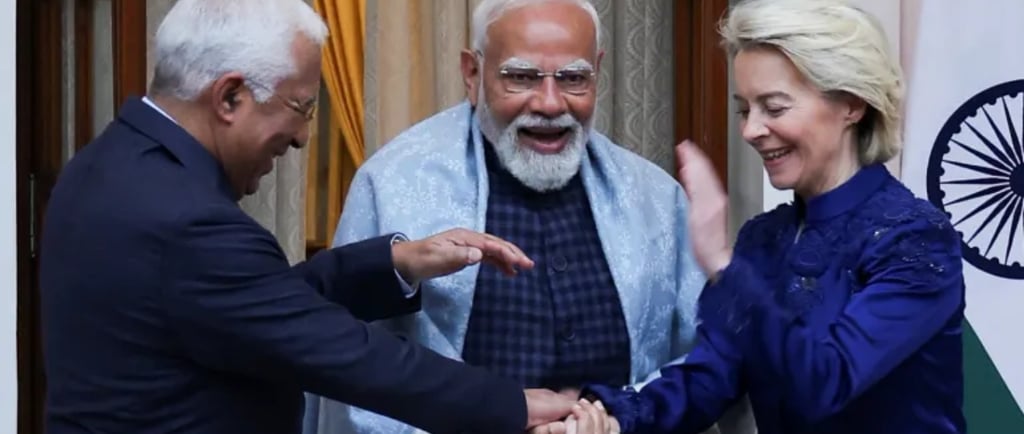
Recently, India signed what global leaders and economists are calling the “Mother of All Deals” — the India–European Union Free Trade Agreement (FTA). This isn't your typical trade deal. It links two major economies into a single, streamlined trade framework, making it one of the biggest and most potent economic agreements in the world.
This agreement opens access to a combined market of nearly 2 billion consumers, covering about 25% of global GDP and over 30% of global trade. This agreement creates opportunities for companies in manufacturing, exports, logistics, storage, warehousing, and infrastructure that might not be seen again for decades.
What the deal is, why it matters, and how it generates actual, useful business opportunities—right now—are all explained in this article.
1.What Is the “Mother of All Deals”? (Simple Explanation)
The India–EU Free Trade Agreement removes or sharply reduces:
Import–export duties
Customs delays
Regulatory barriers
Costly compliance hurdles
This means Indian goods can now reach European markets faster, cheaper, and in higher volumes, while European companies can source more from India.
Why This Is Historic
Negotiations took almost 20 years
Covers goods, services, logistics, and investments
Encourages long-term supply chain relocation to Indi
In simple words:
👉 More trade. More movement of goods. More infrastructure demand.
2.Why This Deal Immediately Increases Business Activity
Trade does not grow slowly after such agreements — it accelerates.
Real-Time Example
After similar trade agreements:
Vietnam’s exports grew 2.5× in 5 years
South Korea saw massive port and logistics expansion
Manufacturing clusters expanded near ports and corridors
India is now entering the same phase.
What Happens First
Export orders increase
Production capacity expands
Storage and logistics demand rises
Temporary and modular infrastructure is needed
Businesses prefer flexible, scalable solutions instead of permanent assets
This is where container-based infrastructure and logistics solutions become critical.
3.Rising Exports = Rising Demand for Containers & Logistics Infrastructure
Exports cannot move without containers. As trade with Europe grows:
Container movement at ports increases
Inland container depots expan
Temporary storage demand rises
Packing, inspection, and staging areas are needed
Real Example
A mid-size manufacturer exporting auto components to Germany:
Starts with limited shipments
Scales volumes within 12–18 months
Needs flexible storage and logistics space
Avoids permanent construction to stay agile
👉 Containers become the most practical infrastructure solution in this phase.
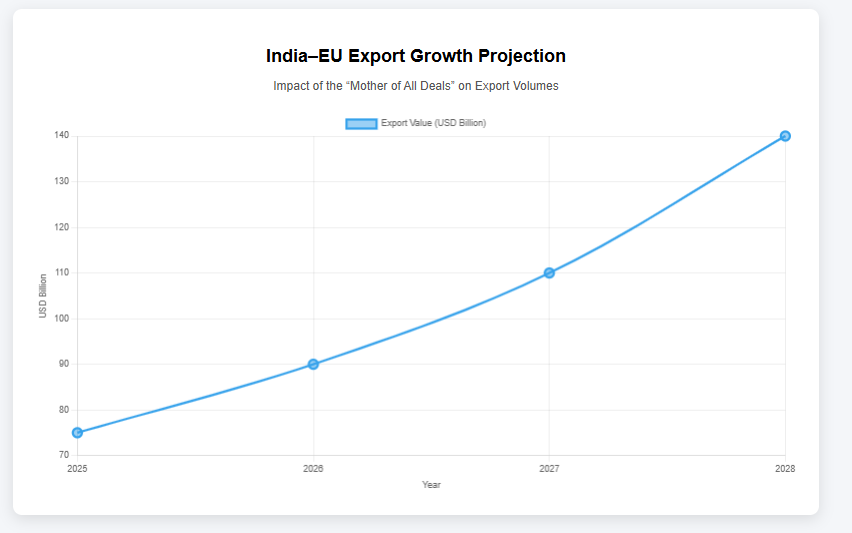
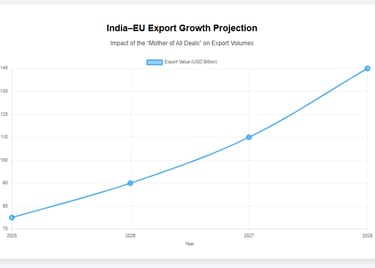
4.Graph Insight: Export Growth After the Deal
Estimated Export Growth Trend (India → EU)
📈 What this means:
Every jump in exports increases demand for:
Shipping containers
Storage containers
Container-based logistics infrastructure
5. Container Demand Will Grow Faster Than the Economy
While GDP grows steadily, container usage grows exponentially during trade booms.
Why?
Goods must be stored before shipping
Export inspection requires secure space
Logistics companies avoid permanent buildings
Leasing and modular infrastructure reduces risk
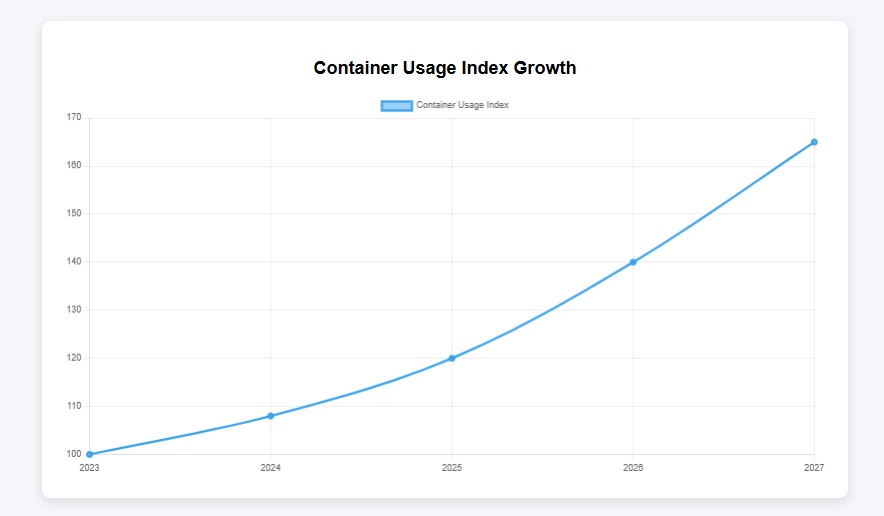
Graph Insight: Container Usage Index
📈 This trend shows one thing clearly:
Containers are no longer optional — they are core trade infrastructure.
6.Port, Corridor & Logistics Hub Expansion
As trade volumes grow:
Ports expand container terminals
Logistics parks develop near highways & rail corridors
Inland container depots increase capacity
Temporary offices and storage are required
Real-World Observation
Near major ports like:
Mundra
Nhava Sheva
Chennai
Vizag
Businesses increasingly use:
Containers as offices
Containers as secure storage
Modified containers for operations
Why?
✔ Faster setup
✔ Lower capital cost
✔ Easy relocation
✔ Scalable with demand
7.Why This Is the Right Time to Act (Not Wait)
Every major trade boom has early movers and late followers.
Early movers:
Lock better locations
Secure logistics capacit
Build scalable infrastructure
Gain cost advantage
Late movers:
Face higher costs
Limited availability
Operational delays
This trade agreement marks the starting phase — the most profitable phase.
8.Biggest Opportunity: Flexible Infrastructure Instead of Fixed Assets
Modern businesses are shifting away from:
❌ Heavy construction
❌ Long approval cycles
❌ High fixed costs
Towards:
✅ Modular infrastructure
✅ Container-based solutions
✅ Leasing and scalable models
This shift is permanent, not temporary.
Conclusion: A Once-in-a-Generation Opportunity
The India–EU “Mother of All Deals” is more than a policy announcement. It is a structural change in global trade that will reshape:
Export volumes
Logistics demand
Infrastructure planning
Business expansion strategies
Businesses that align early with this shift will:
✔ Scale faster
✔ Control costs
✔ Stay flexible
✔ Capture long-term growth
Trade is accelerating. Infrastructure demand is rising.
This is the moment to build smart, scalable, and future-ready operations.
Related Resources
40 Feet Container Rent in India
Mother of All Deals: Why This Is the Biggest Business Opportunity After the India–EU Trade Agreement
Services
Your trusted partner in container solutions.
sales & lease enquiry
support@rudratechservices.com
+91-9156008629
© 2025. All rights reserved by Rudra Siddhi
Your privacy, our priority.
Help & Support – Container Leasing Made Clear
Get rewarded for every referral