
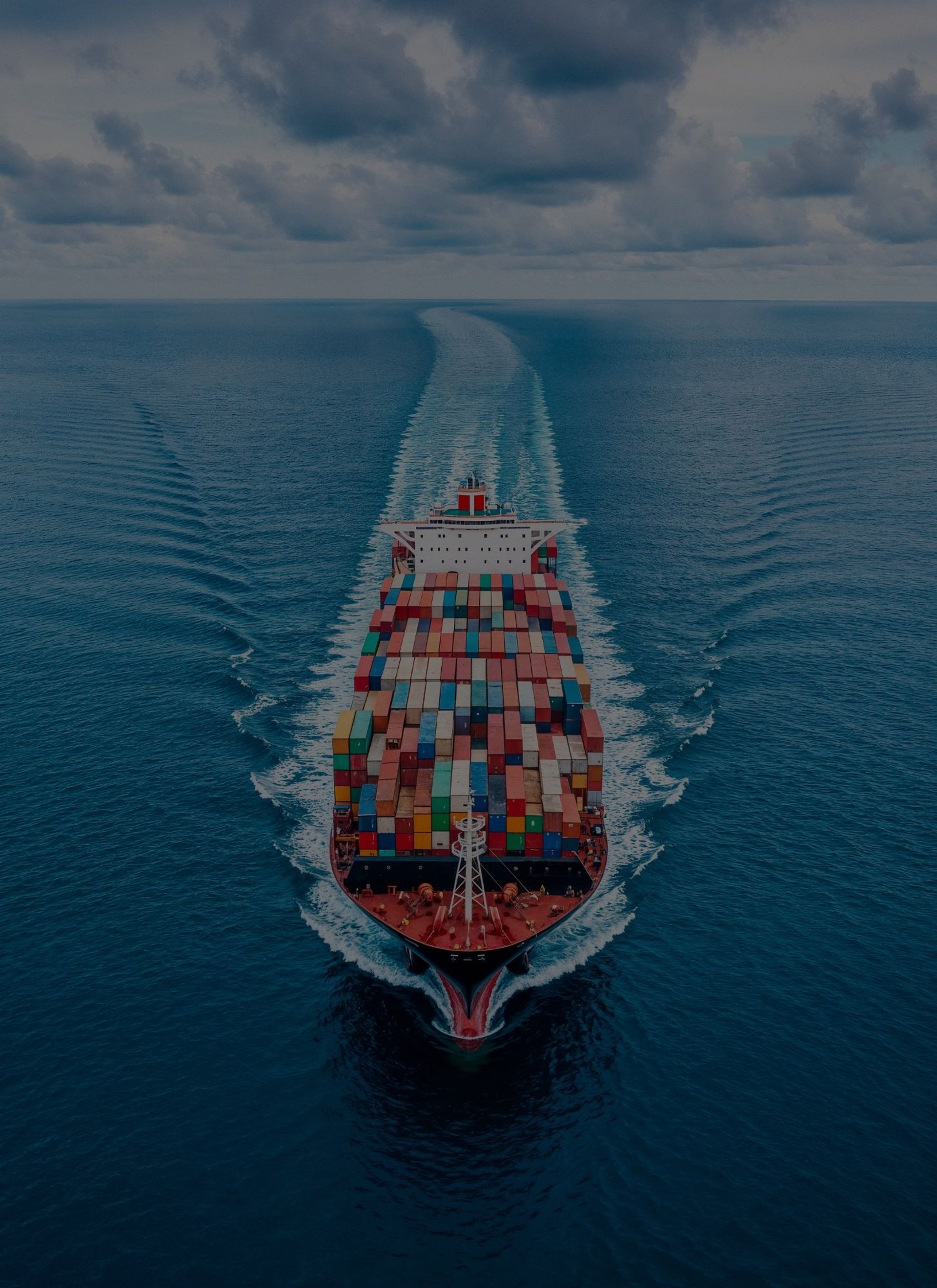
India’s Export Diversification Gains Momentum Amid Steep Us Tariffs
India accelerates export diversification to counter steep US tariffs, boosting trade resilience and opening new global market opportunities.
Rudrasiddhi Team
11/10/20252 min read
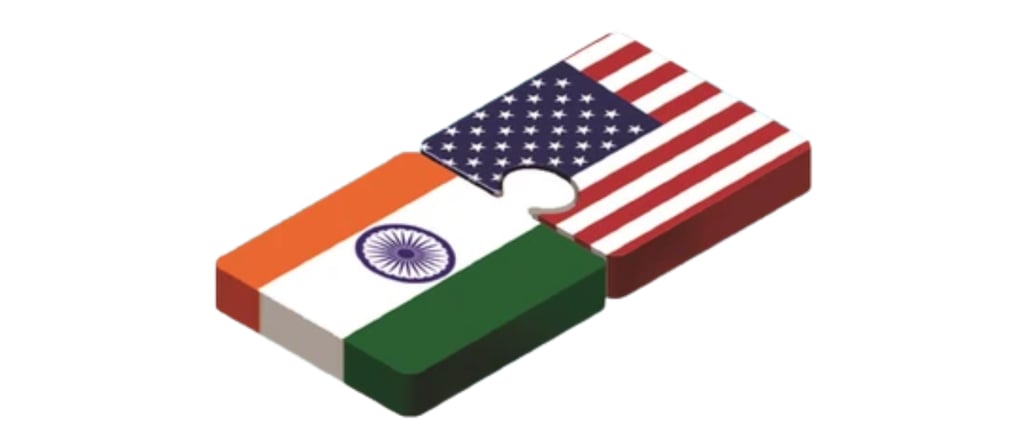
According to the Economic Times, India's efforts to diversify its exports in order to counteract Trump's high 50% tariffs are starting to pay off. India's cotton clothing exports to the United Arab Emirates (UAE), France, and Japan had grown by the end of September, despite a 25% year-over-year decline in shipments to the United States.
In September, India's total merchandise exports increased by 6.7% year over year to $36.38 billion. But in the same month, exports to the United States, India's biggest trading partner, dropped 11.93 percent to $5.46 billion. Even though 18–20% of India's total merchandise exports go to the US, some subsectors are still heavily reliant on the US market. The United States is the destination of 60% of India's carpet exports, 50% of its makeup exports, 30% of its gold and gem exports, and 40% of its clothing exports.
According to official data, exports of marine products to the US fell by 26.9 percent in September, while shipments to China, Vietnam, and Thailand increased by more than 60 percent. In a similar vein, exports of some jewelry and diamonds, tea, carpets, leather items, and basmati rice decreased in the US market but increased in other countries.
For example, in September, exports of tea to the United States decreased by 22% year over year, although shipments to the United Arab Emirates, Iraq, and Germany rose.
Basmati rice exports to Iran increased sixfold to $41.07 million, somewhat offsetting the US market's drop.
In September, handmade carpet exports to the US fell by 26%, although they rose to Sweden and Canada.Export diversification is beneficial for the expansion of India's exports, according to Ajay Sahai, director general of the Federation of Indian Export Organizations (FIEO).40 major importing nations from North America, Europe, Asia, Africa, Latin America, and Oceania have been recognized by the ministry of commerce as part of its market diversification initiative. These nations collectively account for approximately three-fourths of the world's demand for textiles and clothing.
The ministry is creating outreach initiatives to increase its market share in these nations by five to six percent.The US levied a 25 percent tariff on all items of Indian origin in August of this year; on August 25, Trump raised that amount to 50 percent. In order to increase bilateral commerce to $500 billion by 2030, both countries are now discussing a bilateral trade agreement (BTA).
Read more at:
Despite geopolitical disruptions, Indian container cargo to grow 8% in FY26: CareEdge Ratings
Transforming India’s Container Industry
Shipping Container Investment: Your Gateway to Passive Income
Tide turns for India with $300 million CMA CGM order for six box ships at Cochin
India’s Export Diversification Gains Momentum Amid Steep Us Tariffs.
Services
Your trusted partner in container solutions.
sales & lease enquiry
support@rudratechservices.com
+91-9156008629
© 2025. All rights reserved by Rudra Siddhi
Your privacy, our priority.
Help & Support – Container Leasing Made Clear
Get rewarded for every referral