
How the Latest India Union Budget Creates Real Business
Blog post desThis article explains how the budget converts into real business growth, supported by real-world examples and data-backed trends. cription.
Rudrasiddhi Team
1/27/20263 min read
How the Latest India Union Budget Creates Real Business Growth Opportunities for the Shipping Container Industry
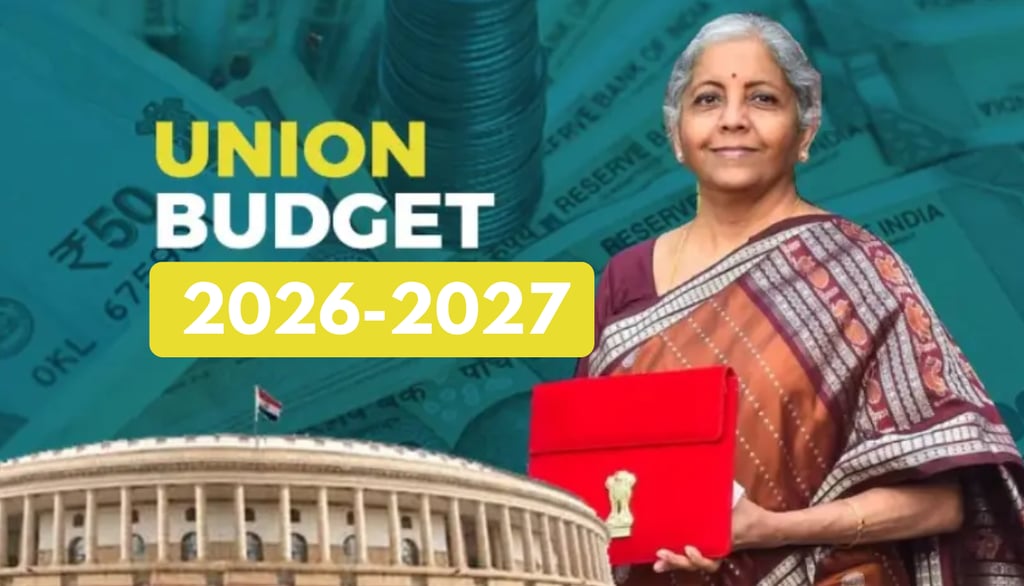
For India's manufacturing, logistics, and infrastructure ecosystem, yesterday's announcement of the Union Budget represents a significant turning point. This budget places clear funding, execution plans, and timelines behind growth, in contrast to previous budgets that were primarily concerned with policy intent. This budget directly increases market demand, customer confidence, and long-term scalability for companies engaged in shipping containers, container leasing models, container-based infrastructure, and modular construction.
This article explains how the budget converts into real business growth, supported by real-world examples and data-backed trends.
1.Infrastructure Spending Is Rising – Direct Demand for Containers
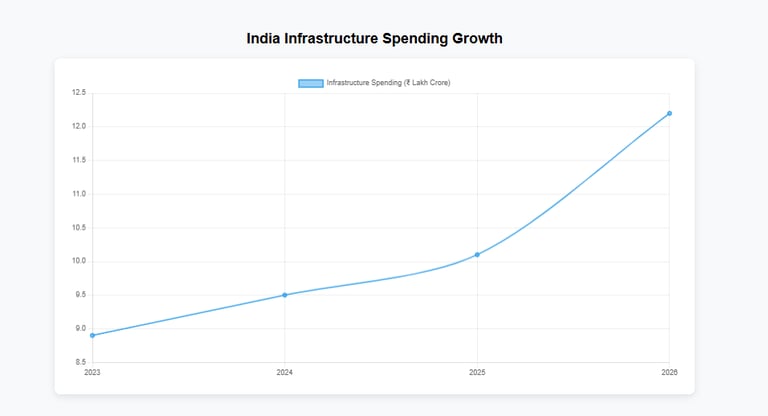
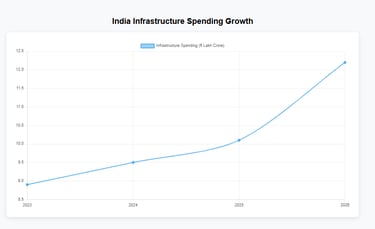
The government has raised infrastructure spending to an all-time high of ₹12.2 lakh crore. This covers ports, railroads, freight corridors, highways, and multimodal logistics hubs
Example:
Hundreds of MSMEs and logistics firms establish operations in the vicinity of newly developed industrial corridors, like the Delhi–Mumbai or East–West Freight Corridor. These businesses do not purchase permanent structures or warehouses right away. Rather, they favor:
Storage containers
Office containers
Temporary logistics containers
This is where container supply and leasing models gain traction.
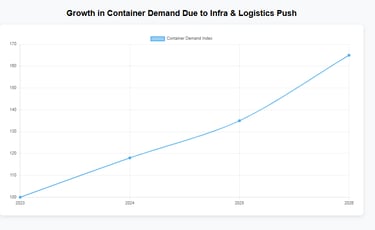
2.Container Demand Is Rising Faster Than GDP Growth
While GDP grows at a steady pace, container demand is growing faster, driven by:
E-commerce expansion
Manufacturing relocation to India
Export-oriented MSMEs
Improved freight connectivity
Business Scenario:
A Pune-based auto-component supplier expanding exports does not immediately invest in permanent storage. Instead, they:
Lease 10–20 containers for raw material storage
Use modified containers as on-site offices
Expand capacity gradually as exports increase
This behavior reduces risk for the client and creates repeat demand for container providers.
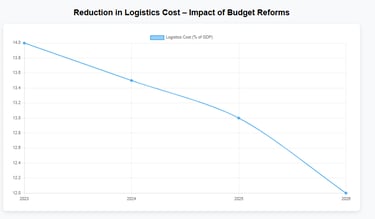
3.Logistics Cost Reduction Creates More Paying Clients
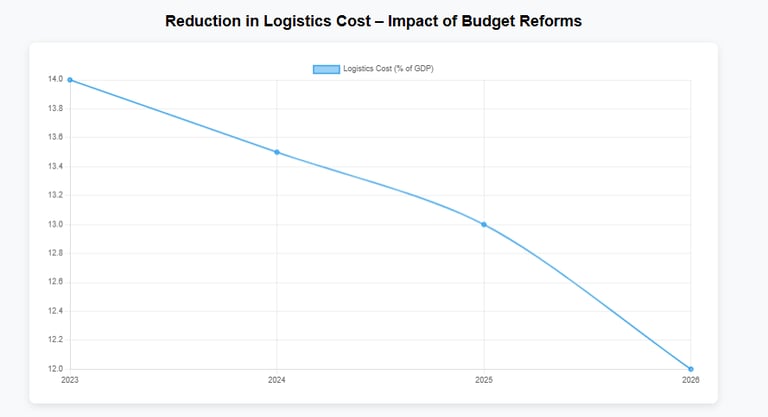
Historically, India's logistics costs have accounted for about 14% of GDP, while those of developed economies have been between 8% and 9%. The budget aims to reduce this through:
Inland waterways
Coastal shipping
Multimodal logistics parks
Faster freight movement
Impact:
When logistics costs drop:
MSMEs save money
Cash flow improves
Expansion decisions accelerate
Instead of delaying infrastructure decisions, businesses move faster—ordering containers, leasing storage units, and building container-based facilities.
4. ₹10,000 Crore Container Manufacturing Push – Market Expansion
The budget introduces a ₹10,000 crore container manufacturing scheme, aimed at making India self-reliant in container production.
What This Means in Reality
More containers in circulation
Competitive pricing
Faster availability
Strong domestic supply chain
For businesses:
Easier sourcing of containers
Higher margins through customization
Expansion into refurbished and modified container solutions
Client Perspective
A logistics operator who earlier hesitated due to container shortages or pricing volatility will now enter the market with confidence, increasing your potential client base.
5. Container Homes, Cafés & Commercial Spaces Get a Boost
Urban infrastructure growth, metro expansions, and smart-city development increase demand for:
Pop-up cafés
Container offices
Portable retail outlets
Temporary project housing
Example
In cities like Pune, Bengaluru, and Hyderabad, developers increasingly use container cafés near IT parks and highways because:
Setup time is 60–70% faster
Cost is controlled
Relocation is possible
With rising disposable incomes and urban footfall, container-based commercial spaces are no longer “experimental”—they are profitable models.
6. MSME Support = More Clients with Buying Power
The budget strengthens MSME funding through:
Growth funds
Faster invoice payments
Improved credit access
How This Converts into Sales
An MSME that receives faster payments can:
Expand storage capacity
Lease containers instead of delaying projects
Invest in container-based infrastructure without financial stress
This creates steady, long-term clients rather than one-time buyers.
7. How Your Business Can Capture These Opportunities
Positioning Strategy
Present containers as infrastructure assets, not products
Highlight flexibility, scalability, and cost efficiency
Align messaging with infrastructure and logistics growth
“Government infrastructure growth is accelerating. Instead of locking capital in permanent structures, use container-based solutions that grow with your business.”
Conclusion:
Budget Converts Policy into Profit Opportunity
The latest Union Budget does not just announce intentions—it creates real demand, real movement, and real client readiness. An ideal growth cycle for the container business ecosystem is created by rising infrastructure spending, decreased logistics costs, domestic container manufacturing, and MSME support.
Related Resources
40 Feet Container Rent in India
Services
Your trusted partner in container solutions.
sales & lease enquiry
support@rudratechservices.com
+91-9156008629
© 2025. All rights reserved by Rudra Siddhi
Your privacy, our priority.
Help & Support – Container Leasing Made Clear
Get rewarded for every referral